
Before You Start
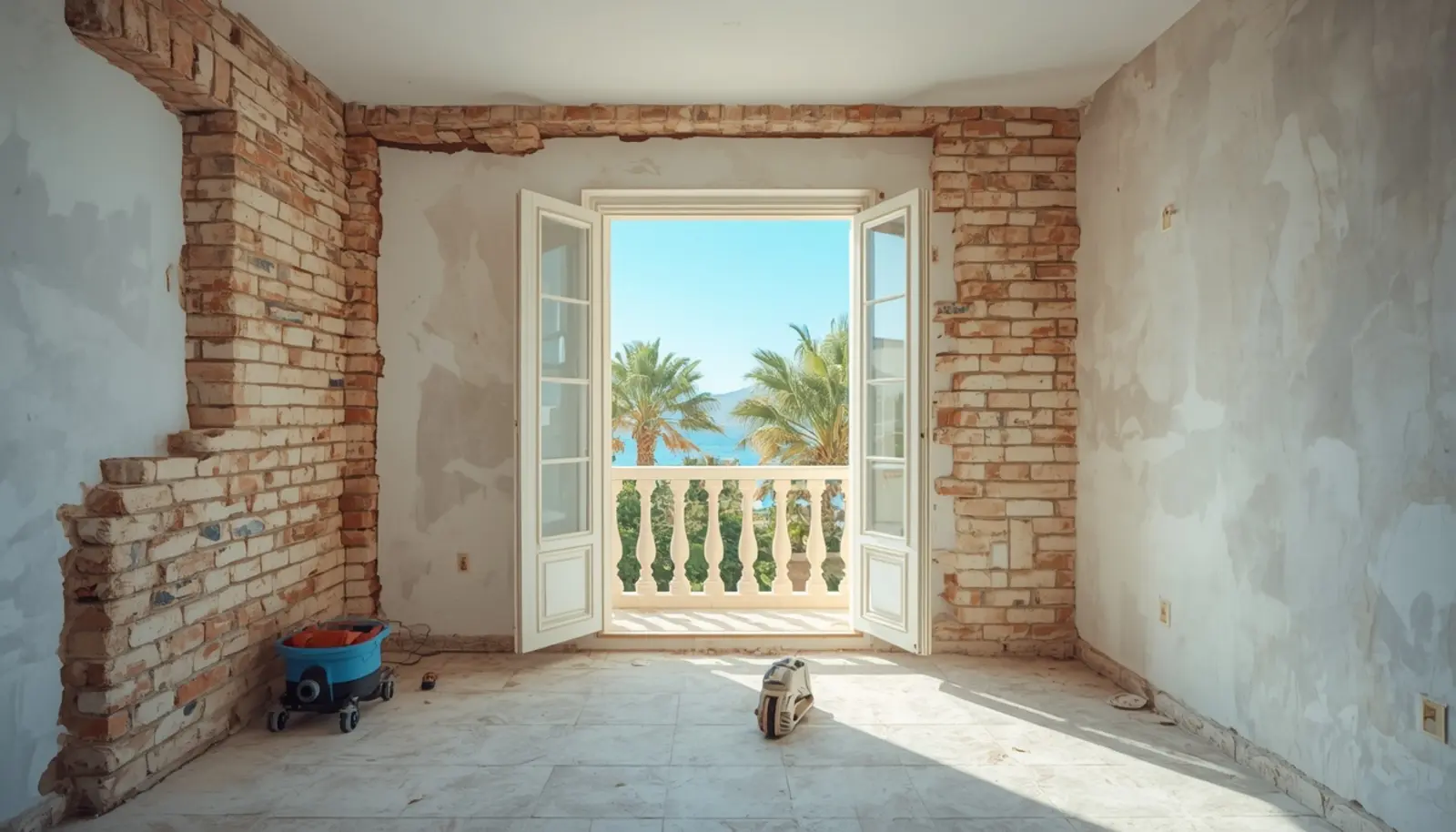
If you've bought (or are about to buy) a property in Gran Canaria and you're thinking about renovating, there are a few things worth knowing before you dive in. The process here isn't complicated, but it has its own rhythm and a few details that are easy to overlook if it's your first time renovating on the island.
This article covers the main things we'd want someone to know before starting a project.
Getting a Quote
The first step is usually simple: you contact a construction company, someone visits the property, and you receive a quote within a few days.
What varies a lot is how that quote is structured. Some companies give you a single number. Others break things down into finished deliverables, like a complete bathroom, a fully installed kitchen, or new flooring, with materials and labor included in each.
This second approach is called turnkey. It means the price you agree on covers everything: you pay, and you receive a finished result. No extra invoices for things you assumed were included.
When comparing quotes, the total number matters less than understanding what it actually includes. Two quotes at the same price can represent very different levels of quality and completeness.
A good question to ask any company: "Does your quote cover everything, or will there be additional costs?" The answer should be straightforward. If it's not, that tells you something.
Why the Design Phase Matters
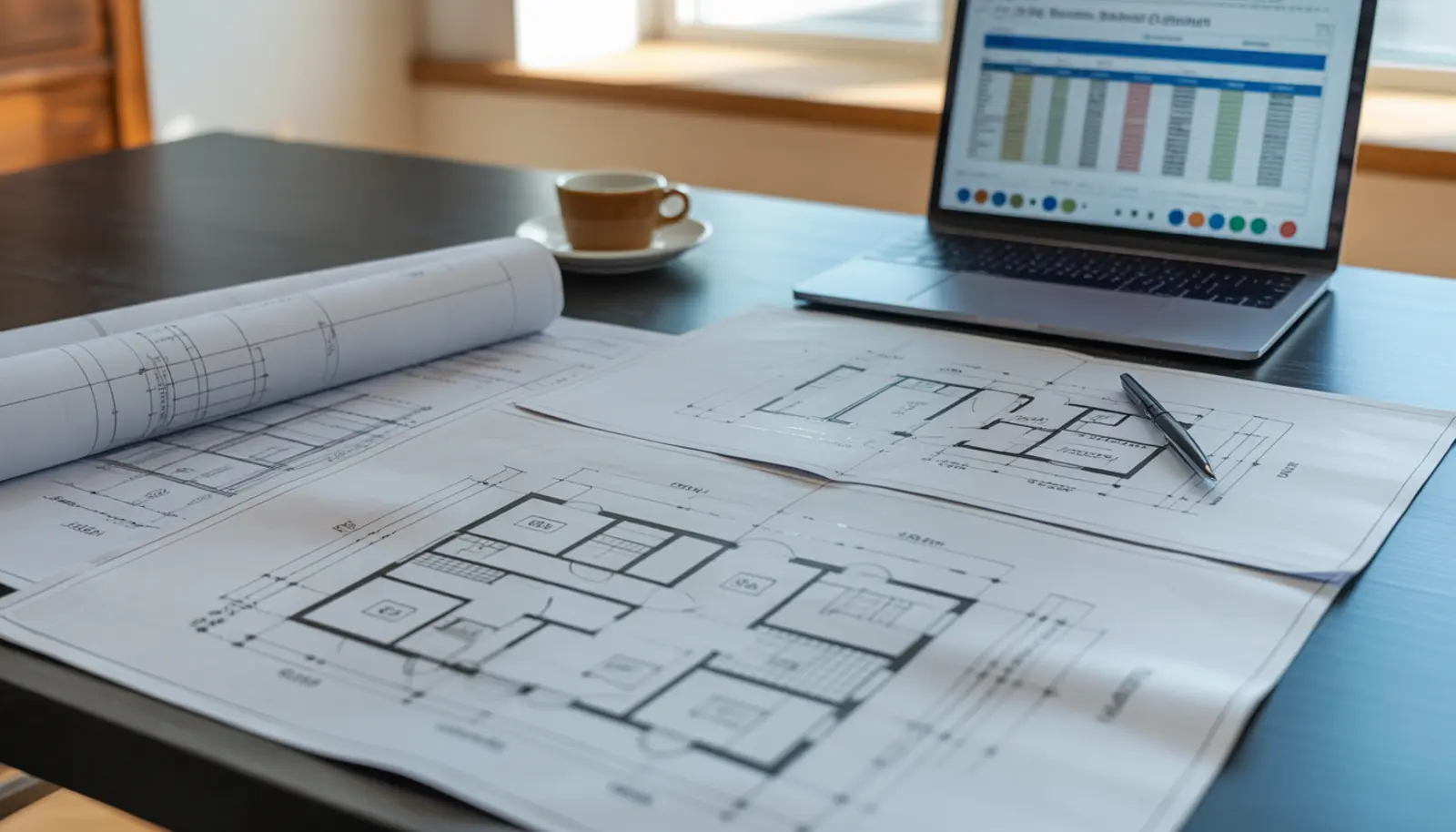
One of the most useful things you can do before starting a renovation is to see exactly what the finished result will look like. Not a mood board or a vague description, but an actual 3D render of your space with the materials, layout, and finishes you've chosen.
This isn't standard practice on the island, but it makes an enormous difference. It means every decision, from tile choice to kitchen layout to bathroom configuration, is made and approved before construction starts. There's no guesswork, no "let's decide on site," and no surprises when the work is done.
This is actually one of the reasons we started offering design visualization at NorDomus. We found that the projects where everything was defined upfront ran smoother, finished faster, and the client was always happier with the result.
For clients managing from abroad, it's even more valuable. You're approving a visual, not trusting a verbal description over the phone.

Things That Take Longer Than You'd Think
Gran Canaria is a beautiful place to live, but it's also an island in the middle of the Atlantic. That has practical implications for renovation timelines.
Materials that would arrive in two days on the mainland can take two weeks here. Specific tiles, fixtures, or appliances sometimes need to pass through customs. Certain items simply aren't available locally and need to be shipped.
A full renovation of a 1-bedroom apartment typically takes 6 to 8 weeks. A 2-bedroom, 8 to 10. These are realistic timelines, but only if the project is properly planned and materials are ordered well in advance.
The companies that stay on schedule aren't necessarily faster. They've just planned for these realities instead of being surprised by them.
If you're given a timeline, ask whether it accounts for material shipping and lead times. On an island, logistics planning is just as important as the construction itself.
Communication Is Everything
Many property owners in Gran Canaria live in another country. Scandinavia, the UK, Germany, Italy, the Netherlands. It's very common. If that's your situation, the single most important thing to evaluate in a construction company isn't their price. It's how they communicate.
Can you reach them easily? Do they respond quickly? Do they speak your language? Will you receive regular updates with photos so you can see what's happening?
A renovation managed from abroad works perfectly well, as long as you have visibility. Weekly updates, video calls when needed, and a direct contact who knows your project. Without that, distance becomes a real problem. With it, it's barely noticeable.
Paying for a Renovation
Most companies in Gran Canaria work with staged payments tied to project milestones. You pay a portion at different points throughout the build, not everything at the start.
A common structure is something like: a deposit to secure the schedule, a payment when construction begins, another at the midpoint, and a final payment toward the end. The exact percentages vary, but the principle is always the same. Each payment corresponds to completed work.
Make sure payment terms are agreed in writing before anything starts. And at each stage, you should be able to see what was done before paying for the next phase.
Choosing the Right Company
There are many construction companies on the island. Finding the right one is mostly about paying attention to the early signals.
How fast do they respond when you first reach out? Do they visit the property before giving you a number? Can they show you examples of work they've completed? Do they explain clearly what's included in the price? Is there a real person you'll be communicating with throughout the project?
The experience of getting a quote is usually a reliable preview of the experience of the entire renovation. If the first interaction feels organized, clear, and professional, the rest tends to follow.
A Final Thought
Renovating a property is a significant decision, in time, money, and trust. Take your time choosing who you work with. Ask questions. Compare approaches, not just prices. And make sure you feel genuinely confident before you commit.
If you'd like to talk through a project or just have questions about renovating in Gran Canaria, feel free to get in touch. No pressure, no commitment, just a conversation.